
Visual Guide to Honey
-
What is raw honey?
-
What is crystallization?
-
What does "unfiltered" mean?
-
Why do honey colors vary?
About Our Honey
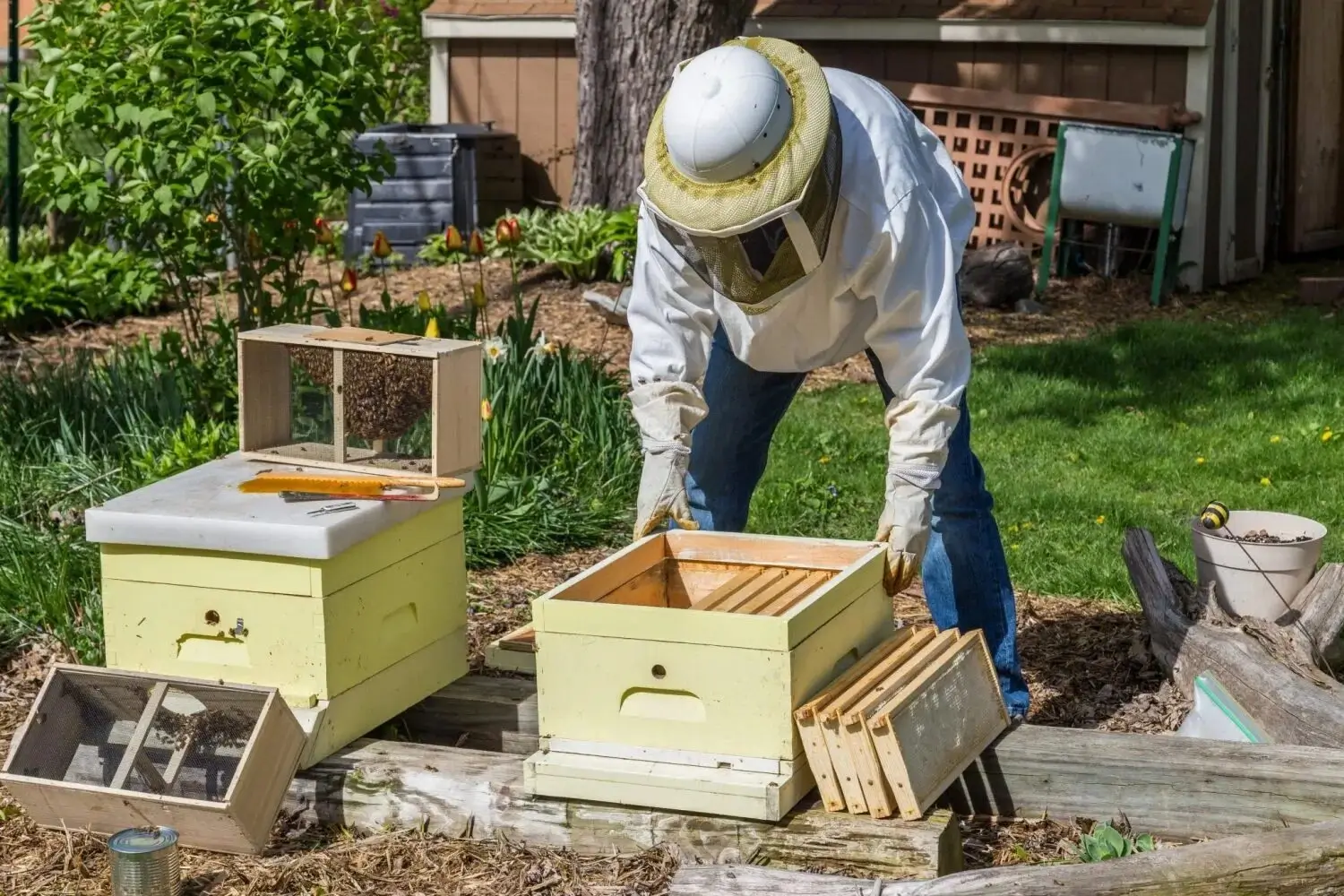
While we follow organic practices, we cannot certify our honey as "organic" because bees can forage for miles. We can't guarantee they only visit organic flowers. However, our apiary is in a remote area, far from commercial agriculture and pesticides.
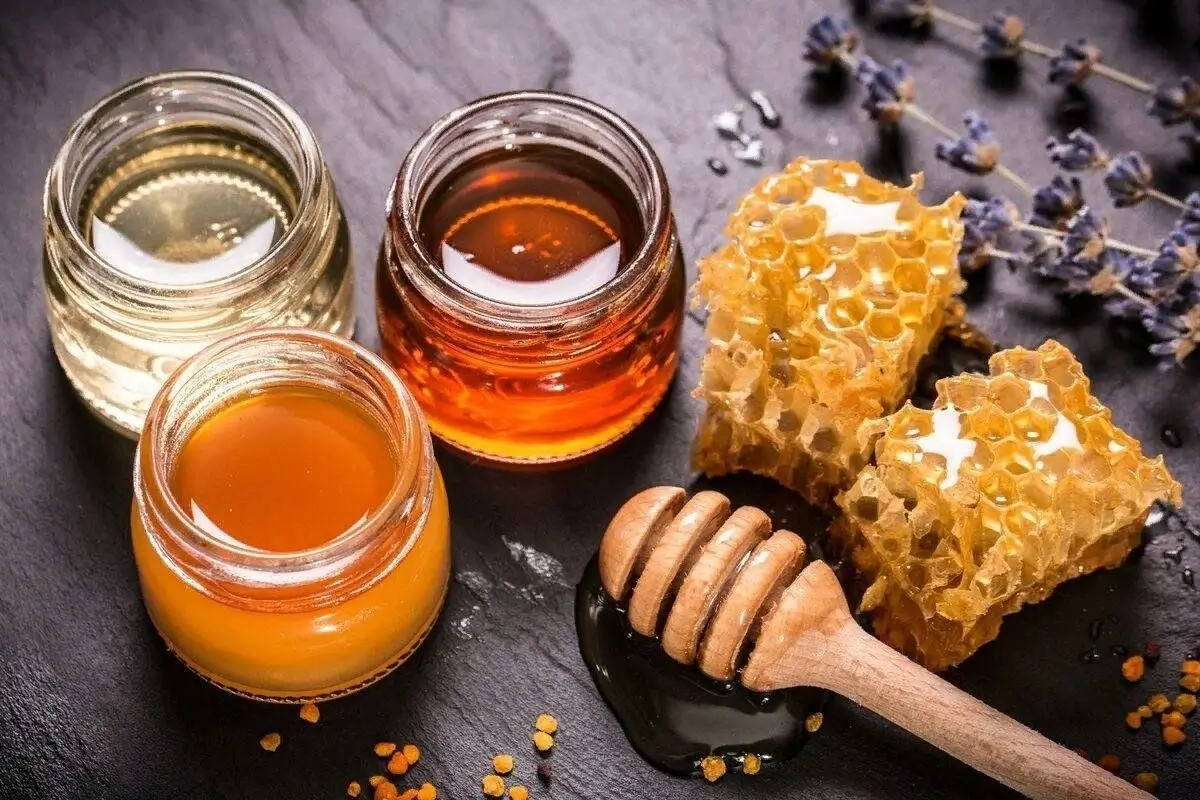
Raw honey is never heated or pasteurized. This preserves the natural enzymes, vitamins, and pollen that are often destroyed in commercial honey, giving it a richer flavor and more health benefits.
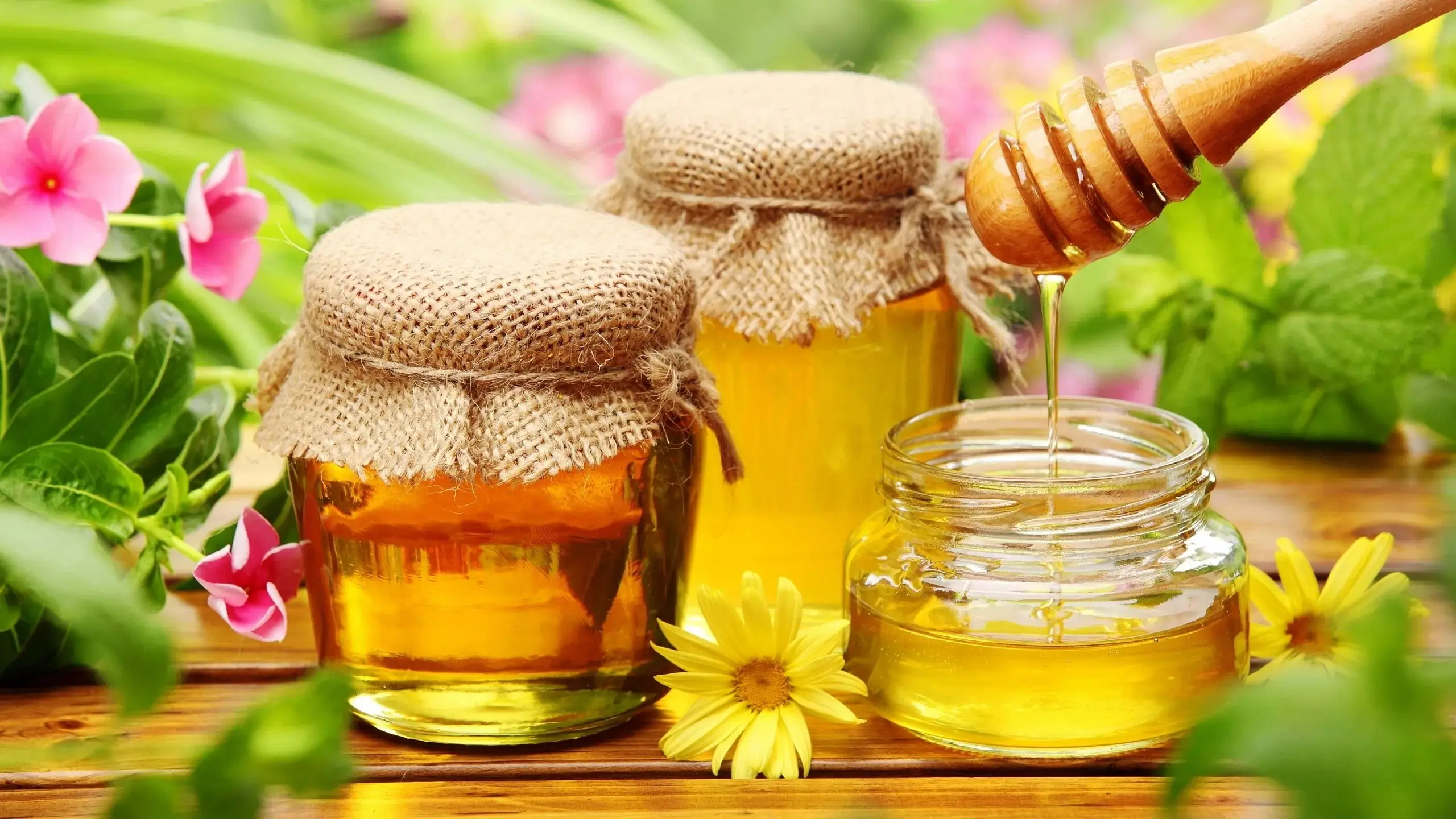
Absolutely not. Our honey is 100% pure. We simply strain it to remove large pieces of wax. What you get in the jar is exactly what the bees produced.
All our honey is harvested from our own beehives located in the secluded wildflower meadows of our family homestead. It is never blended with honey from other sources.
Store it at room temperature in your pantry or a cupboard. There's no need to refrigerate it; in fact, refrigeration can speed up crystallization.
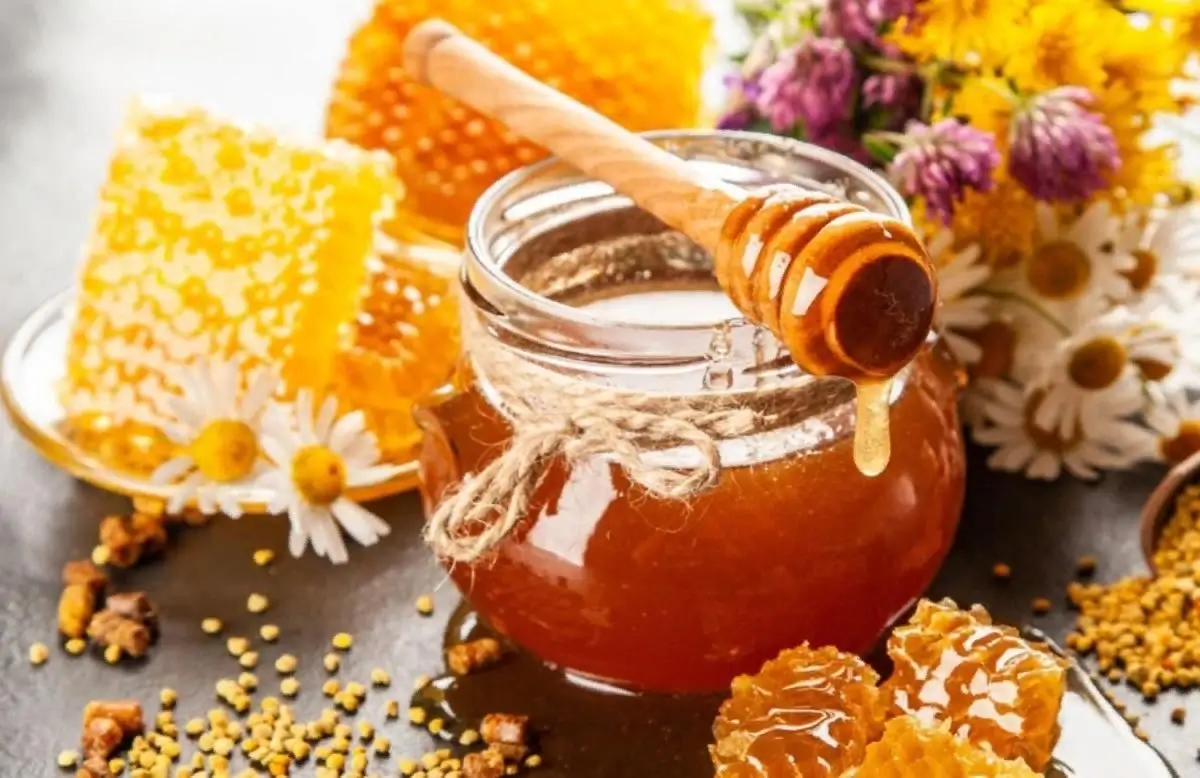
Not at all! This is crystallization, a natural process for raw honey and a sign of its purity. To return it to a liquid state, simply place the jar in a bowl of warm (not boiling) water for a while.
What's Inside the Jar?
Natural Sugars
A blend of fructose and glucose for clean energy.
Pollen Grains
Traces of local flora, which can help with allergies.
Enzymes
Beneficial enzymes like diastase and invertase.
Antioxidants
Flavonoids and phenolic acids that fight free radicals.
Myth
"All honey is the same."
Fact
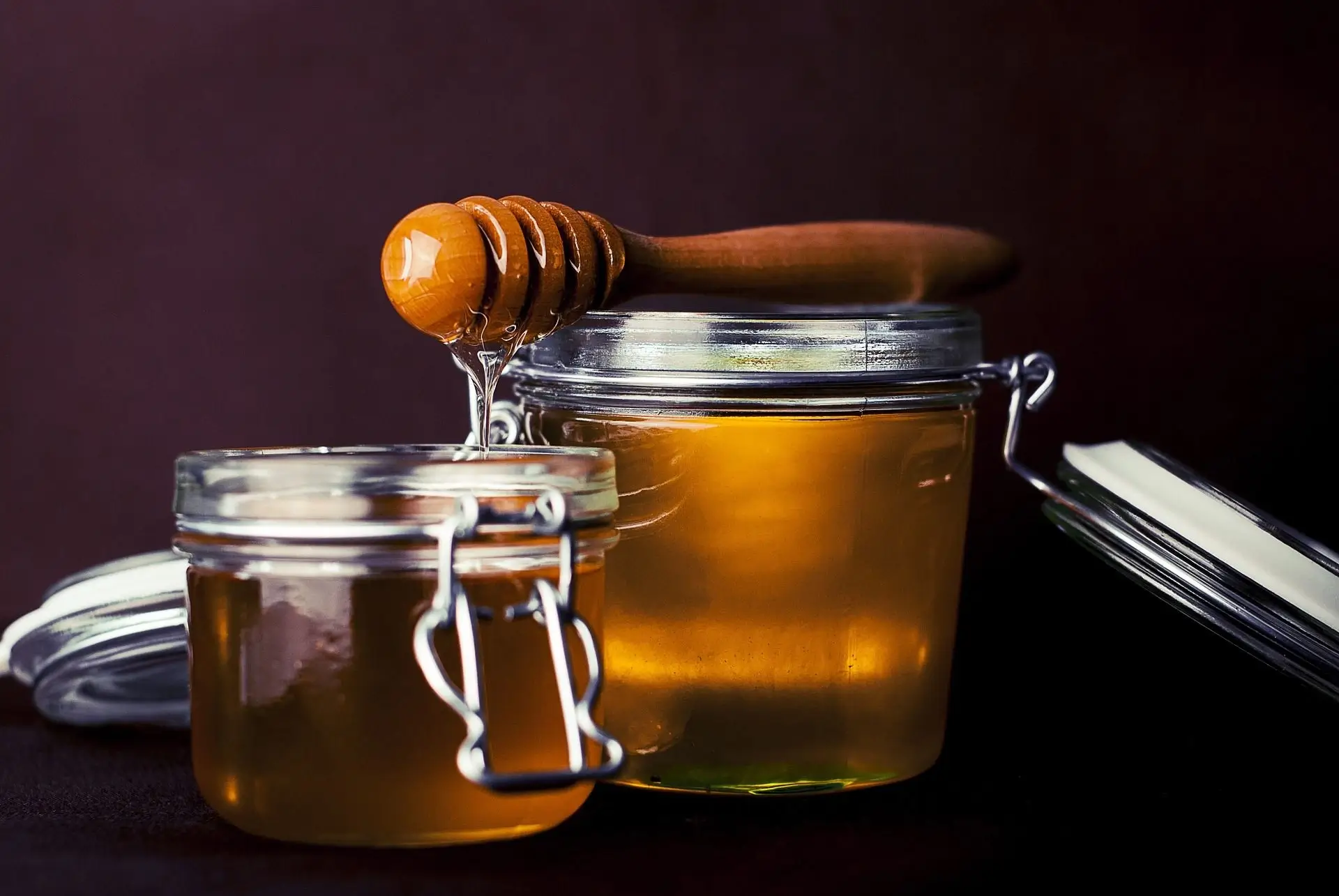
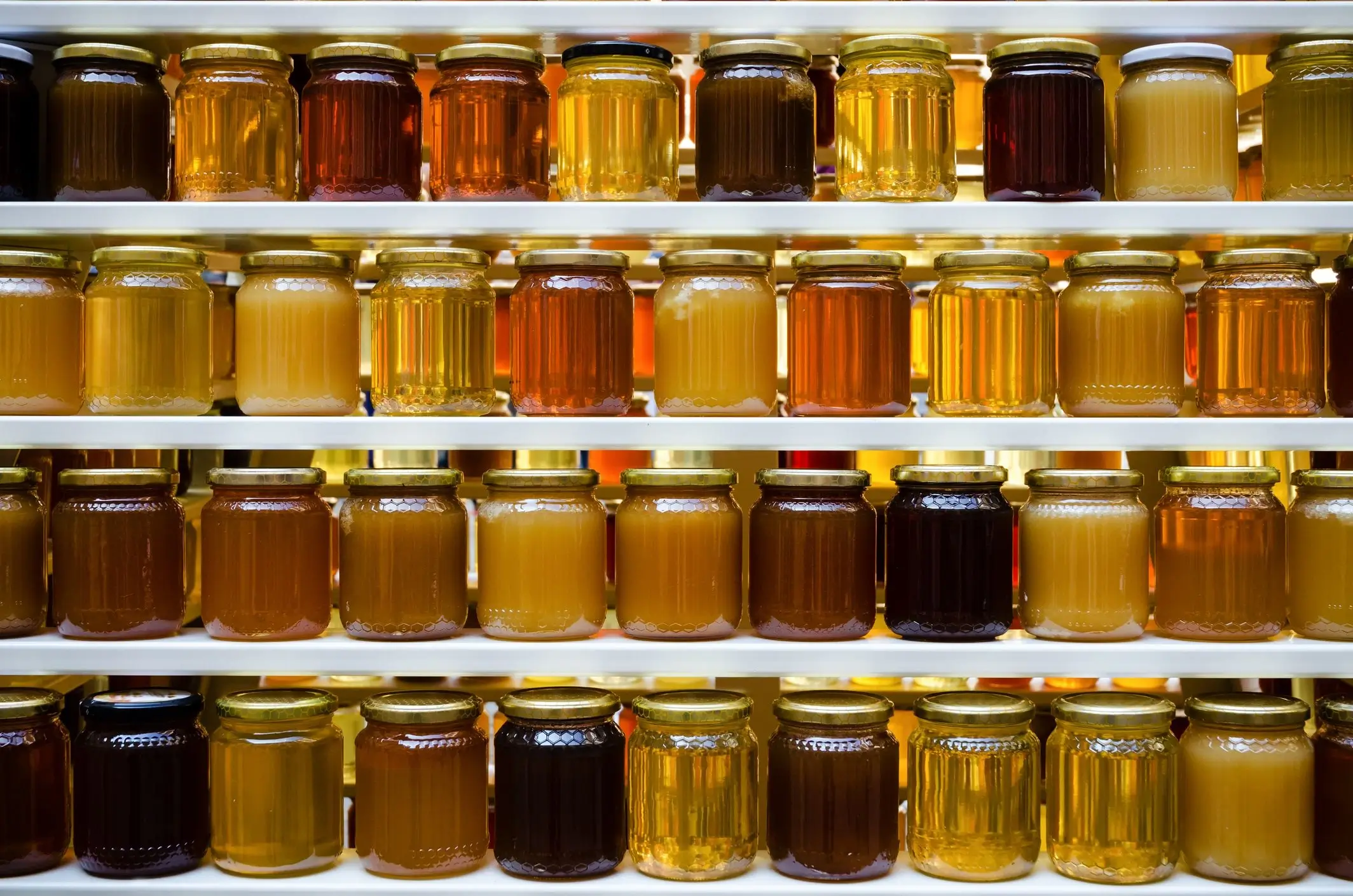
The taste, color, and aroma of honey are determined by the nectar source. Clover honey is mild, while buckwheat honey is bold and malty. Each one is a unique taste experience!
Did You Know?
A single bee produces only about 1/12th of a teaspoon of honey in its entire lifetime. That's why every drop is so precious.
Do's and Don'ts of Honey Care
Do 👍
- Store in a cool, dark pantry.
- Keep the lid on tight.
- Gently warm to re-liquify.
Don't 👎
- Refrigerate your honey.
- Leave it in direct sunlight.
- Microwave to heat it.
Didn't Find Your Answer?
Sometimes the best answers aren't in a list. The story of our honey can be found in our process and our passion. Explore more to understand what makes us unique.